
Dashcam in 2026: What Actually Works vs Marketing Hype
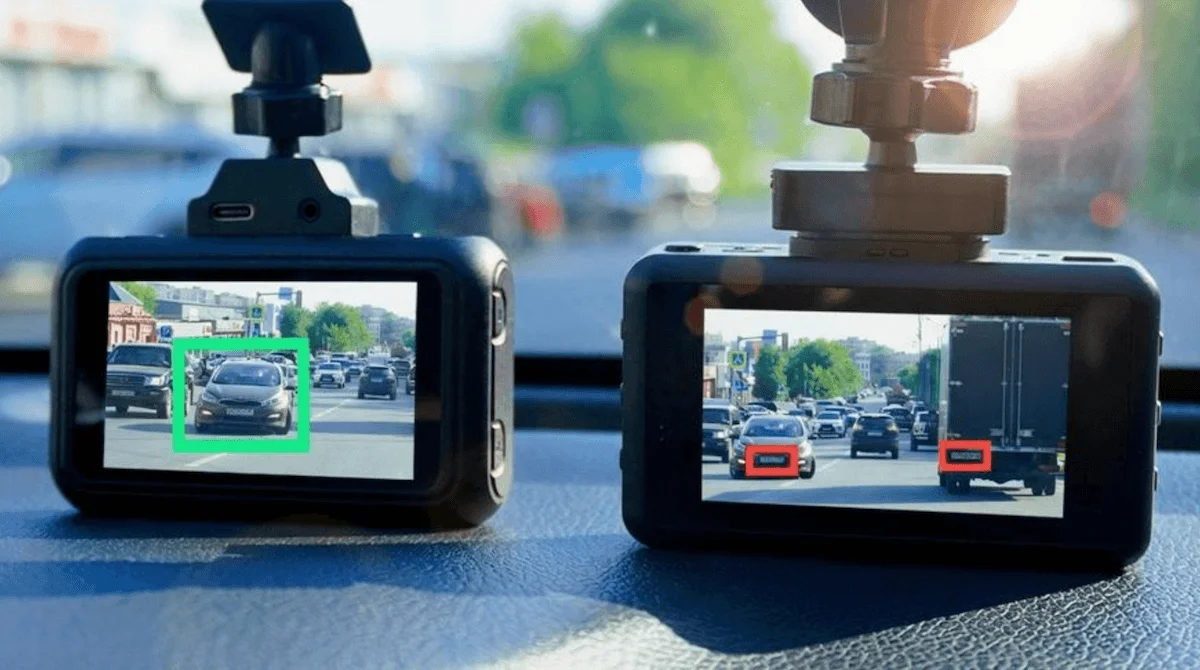
A no-nonsense guide to dashcams in 2026. Which sensor really captures plates at night, why "4K" labels are often lies, and which models survive in real-world conditions. Specific models, prices, common mistakes, and user-tested advice.
Why You Need a Dashcam — Without the Clichés
Short version: a dashcam pays for itself the first time something goes wrong. Real scenarios where recordings saved people thousands of dollars and a lot of stress:
A driver was reversing in a parking lot when a pedestrian "fell" near the bumper and called the police. The footage proved no contact occurred. Case closed in 10 minutes.
A car was scratched in a mall parking lot. Parking mode caught the perpetrator. Insurance paid out without dispute.
A viral video blamed a truck driver for an accident. The dashcam from the car involved showed: the truck stayed in its lane, the other driver swerved into oncoming traffic.
This isn't theory. It's why professional drivers — taxi, delivery, instructors — never get behind the wheel without a dashcam.
The Main Secret: Look at the Sensor, Not the Resolution
The biggest lie in dashcam marketing is "4K Ultra HD" stamped on a $50 box. That's interpolation — the camera records at 1080p, then the processor stretches the image to 4K. Quality stays at 1080p, but files take three times more space.
What actually matters is the sensor. Remember three magic words:
Sony STARVIS.
This sensor family uses backside-illuminated technology. It's ten times better than cheap alternatives in low light. Specific sensor models to look for:
IMX307 — entry-level STARVIS, decent for budget cams
IMX335 — sweet spot for 2K
IMX415 — top tier for real 4K without interpolation
IMX678 — 2026 flagship
If a product page doesn't list the exact sensor — that's a red flag. Good manufacturers don't hide it.
The Test You Can Run in the Store
Before buying, ask the seller to show you actual day and night footage from this specific dashcam (not a marketing video). Most decent stores can do this.
What to check:
Day footage: can you read the license plate of the car ahead at 5–7 meters while moving?
Night footage: can you read the plate of an oncoming car as it passes (when headlights shine directly into the camera)?
Streetlight glare: blurry "stars" or crisp light with sharp edges?
If the seller refuses to show test footage — it's either a bad model or a bad store. Walk away.
Tricks Reviewers Don't Mention
Supercapacitor vs battery. Cheap dashcams use a built-in Li-Ion battery to save the last clip during a crash. Sounds good — until summer hits +60°C inside your car and that battery swells, killing the camera in one season. A supercapacitor-powered dashcam lasts 5+ years in the same conditions.
"Reflashed" Chinese models. AliExpress sells $30 dashcams pretending to be flagship brands. Inside: cheap sensor, fake firmware label, and "4K" produced from 720p. If the price is 3× lower than the official one — it's a fake.
Viewing angle over 170° = distortion. Manufacturers brag about "200° super-wide angle." In reality, the image edges are stretched so much that license plates become harder to read, not easier. The sweet spot is 130–150°.
Wi-Fi 2.4 GHz vs 5 GHz. 5 GHz is faster but doesn't penetrate the car's body. 2.4 GHz is slower but works reliably through glass and plastic. Paradoxically, 2.4 GHz is often the better choice for dashcams.
Real Model Rankings for 2026
Not the top-10 from Amazon, but what people actually buy and don't return in the global market.
Budget under $100 — solid choices:
70mai A500S — STARVIS, GPS, 2K, years of proven reliability. Crowd favorite.
Viofo A119 Mini 2 — compact, hidden mounting, professional choice for stealth installs
DDPai Mini5 — small footprint, reliable for second cars
Budget $100–200 — best value:
Viofo A129 Plus Duo — dual camera, IMX335, the best in this range
Garmin Dash Cam 67W — for those who trust Garmin's ecosystem and customer service
70mai Omni — rotating 360° camera, top-tier parking mode
Budget $200–500 — premium for perfectionists:
Viofo A229 Pro — IMX678, real 4K, best night recording on the market
BlackVue DR970X-2CH — Korean reference, cloud connectivity, dual camera
Thinkware U1000 — for those who want the best without compromises
What to avoid in 2026:
Dashcams with screens larger than 3 inches — big screen = high processor heat = early death
"3-in-1" models: dashcam + radar detector + GPS navigator. Each function works poorly.
Any "top-tier" dashcam under $50. Miracles don't exist.
Installation — Half the Battle
Buying a great dashcam and installing it poorly is like putting summer tires on ice. Remember:
Where to mount:
Behind the rearview mirror, slightly right of center
Lens shouldn't touch the area covered by athermal tint film (often distorts the picture)
Tilt angle — horizon line on the upper third of the frame, not the center
How to wire:
Cigarette lighter plug — works, but no parking mode, cable visible
Connection to interior dome light — cable hidden, works only with ignition on
Direct connection to battery via Hardwire Kit with low-voltage cutoff — the only way parking mode actually works
Professional installation at an auto electrician costs $20–50. It pays back the first time parking mode saves you.
Memory Card Kills Dashcams More Often Than the Cam Itself
The most common reason "the recording wasn't saved." Dashcams record in a loop — overwriting old footage with new — 24/7. A regular SanDisk Ultra from a discount site dies within 3–4 months. It still looks functional but recordings glitch, files corrupt.
The right choice:
microSD class U3, V30 or higher
Endurance or High Endurance labeling
Specific models: SanDisk High Endurance, Samsung Pro Endurance, Transcend High Endurance 350V
Capacity: 128 GB for 2K, 256 GB for 4K
A proper card costs $25–40. That's 3–4× more than a regular one, but lasts 10× longer.
Pro tip: replace your dashcam memory card every year, regardless of whether it "still works." A dashcam without a working card is just an empty box on your windshield.
Top 5 Dashcam Buying Mistakes
The most common screwups, summarized:
Bought based on flashy box numbers ("4K", "200°", "5MP") instead of checking real test footage
Skimped on the memory card — bought a cheap microSD, footage corrupted at the critical moment
Installed via cigarette lighter — parking mode doesn't work, cable hangs, plug can be accidentally dislodged
Bought a dashcam with a 3.5"+ screen — overheats and freezes in summer
Trusted Amazon/AliExpress reviews — heavily manipulated. Watch YouTube hands-on tests instead.
Final Word: What to Buy in 2026
If you don't have a dashcam, or your old one is on its last legs — use this formula:
Sony STARVIS sensor (IMX335 or newer)
Supercapacitor instead of battery
GPS module included
Support for direct battery hardwiring for parking mode
f/1.8 or brighter lens aperture
Endurance 128 GB card in the box
A budget of $100–200 covers all of these. Specific models: Viofo A129 Plus Duo, Garmin Dash Cam 67W, 70mai Omni.
Don't cheap out on the dashcam. This isn't a toy — it's a tool that one day will save you many times what it cost.
Most importantly: even the perfect dashcam is useless without proper installation and a good memory card. Get all three right — and you've solved this problem for the next 5–7 years.