
Your Kia Was Made in Georgia. Not Korea
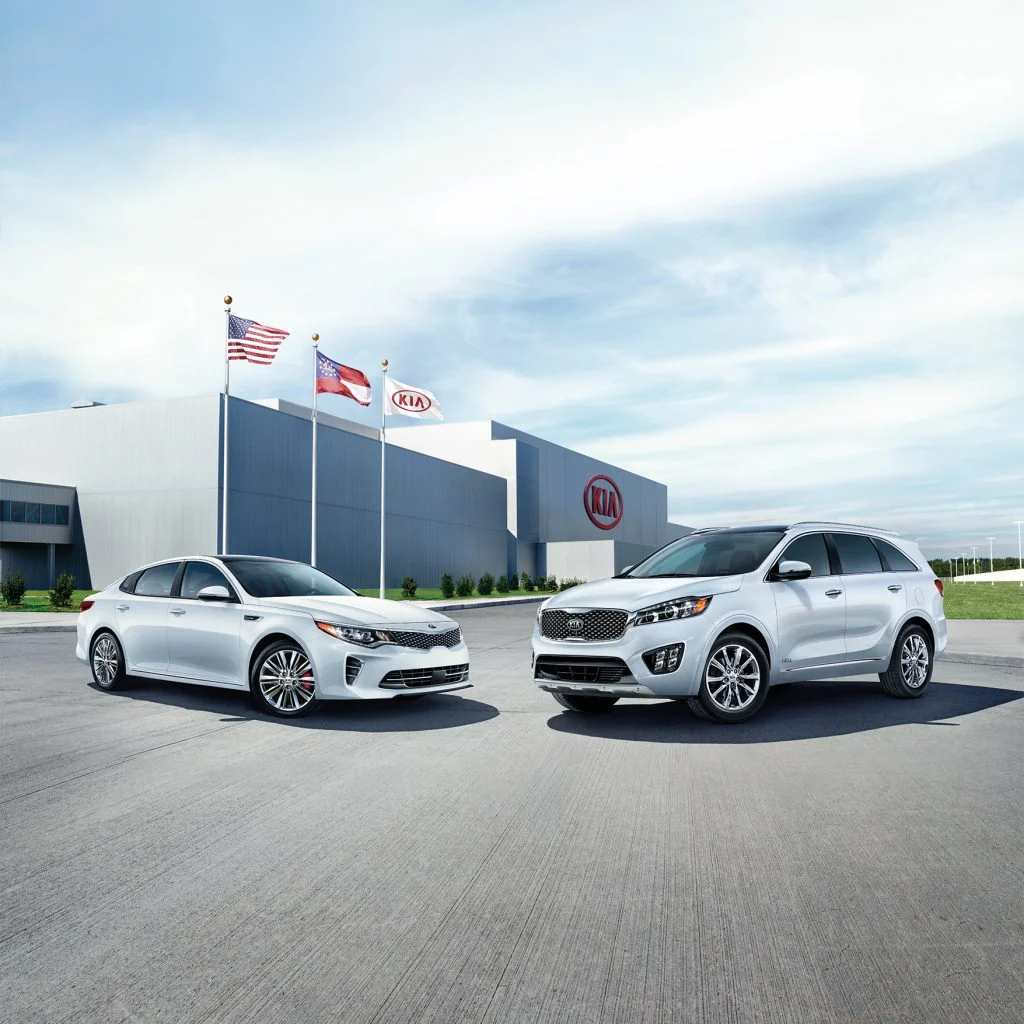
That Hyundai or Kia you're buying might not be "Korean" at all. Learn how to tell where your car was actually built using its VIN, and why it matters when buying used.
Most used car buyers never think to ask where the car was actually built.
Not where the brand is from. Not where the engine was designed. Where the car was physically put together, painted, and driven off the production line.
It's easy to assume that a Hyundai came from South Korea, or that a Kia rolled out of a factory in Ulsan or Gwangju. But that assumption is wrong for a lot of cars on the market today. And if you're buying a used car imported from the USA, getting this wrong can be an expensive mistake.
Hyundai and Kia Have Been Building Cars in America for Nearly Two Decades
In 2005, Hyundai opened its first American assembly plant in Montgomery, Alabama. In 2009, Kia followed with its own factory in West Point, Georgia, about 120 kilometres from the Hyundai plant. Together, these two facilities put out over 700,000 vehicles a year and have been running nonstop ever since.
So a big chunk of the Hyundais and Kias that end up being imported from the United States were never made in Korea at all. They were built in Alabama or Georgia, by American workers, registered in the American vehicle history system, and exposed to the American insurance and salvage market from day one.
Here are the models that come out of these US plants:
Hyundai Motor Manufacturing Alabama (Montgomery, AL):
Hyundai Sonata (built here since 2005)
Hyundai Santa Fe and Santa Fe Hybrid
Hyundai Tucson
Hyundai Santa Cruz
Genesis GV70
Kia Georgia (West Point, GA):
Kia Telluride
Kia Sorento
Kia Sportage
Kia K5 (Optima)
Kia EV6 and EV9
If any of these models showed up in your search for a used car, there's a real chance the car was made in America. Not Korea.
Why Does It Matter Where the Car Was Built?
This is not just car trivia. Where a car was built determines which record system its history is stored in. And that has real consequences when you're buying used.
A Hyundai Tucson built in Montgomery, Alabama and sold in the US goes into the American vehicle registration, insurance, and salvage system on day one. Every accident, insurance claim, title change, and odometer reading gets logged in US databases.
That's the same system that records flood damage after Gulf Coast hurricanes. The same system that tracks salvage titles when a car gets written off. The same system that catches odometer rollbacks and flags rebuilt vehicles.
Now take a Kia Telluride built in West Point, Georgia. It has a US-format VIN and a full US vehicle history. If it got totalled in a hailstorm in Texas, written off by an insurer, patched up, and given a rebuilt title before being exported, that whole story lives in American records. The fact that "Kia" is a Korean brand changes nothing about this.
Compare that to a Hyundai Tucson built at the Ulsan factory in South Korea and sold on the Korean domestic market. That car has a completely separate history, tracked in Korean databases, with Korean service records and different inspection standards.
Same model. Same badge on the hood. Very different story underneath.
The One Character That Tells You Everything
Every car in the world has a 17-character Vehicle Identification Number, or VIN. Think of it as the car's passport. And just like a passport, the very first character tells you where the car was born.
Here's how the codes work:
1, 4, or 5 = Made in the United States
2 = Made in Canada
3 = Made in Mexico
K = Made in South Korea
J = Made in Japan
W = Made in Germany
So if you're looking at a used Hyundai Santa Fe and the VIN starts with 5, that car was built in Alabama. If it starts with K, it was built in South Korea.
One character. Two completely different histories. Two completely different things to check before you buy.
And almost no one looks at it.
A Tale of Two Tucson Twins
Picture two cars, both listed as "2020 Hyundai Tucson, imported from USA":
Car A: VIN starts with 5. Built in Montgomery, Alabama. First owner in Tennessee. In 2022 it got caught in heavy flooding, took serious water damage to the electronics and interior, and the insurance company wrote it off. It was repaired and given a rebuilt title in Tennessee, then exported.
Car B: VIN starts with KM. Built in Ulsan, South Korea. Exported to the US in 2020. One owner in California. No accidents. Serviced on schedule. Exported with a clean history.
On a dealer's lot, both cars get the same description: "2020 Hyundai Tucson, imported from USA." The photos look similar. The price might even be the same.
But Car A is a rebuilt flood vehicle. Car B is clean.
A VIN check that pulls from US records, like the reports at vinlid.com, will flag the flood damage and rebuilt title on Car A. But only if you check. And the first thing that tells you whether the US salvage system is even relevant is that opening character of the VIN.
How to Check, Before You Do Anything Else
When you get a listing for a used car from the United States, here's the order of operations:
Step 1: Look at the first character of the VIN.
If it starts with 1, 4, or 5, the car was made in the United States. It has a US vehicle history and went through the American insurance system.
If it starts with KM or KN, the car was made in South Korea. That's a different history and a different kind of check.
Step 2: Run the full history report.
For a US-made VIN, a proper check pulls from American databases: NMVTIS (National Motor Vehicle Title Information System), insurance records, auction records, and state title histories.
For a Korean-made VIN that was exported via the US, things get a bit more complicated. The car may have been registered in the US at some point, or it may have gone straight to export. Checking both markets gives you the clearest picture.
vinlid.com covers both: US and Korean market records. It flags salvage titles, accident history, odometer issues, and auction data no matter which country the car was built in.
Step 3: Compare what the report says with what the seller is telling you.
If a seller pitches a Kia Telluride as "a solid Korean car" and the VIN starts with 5, you now know the car was never built in Korea. That's not a dealbreaker by itself. But when a seller's story doesn't match the facts, it's worth asking what else they might have wrong.
The 11th Character: Finding the Exact Plant
If you want to dig a bit deeper, the 11th character of the VIN tells you which specific factory the car was assembled in.
For Hyundai vehicles made in Alabama, the 11th character is A (Montgomery). For Kia vehicles from Georgia, it's G (West Point).
Put it together with the first character:
First character 5 + 11th character A = Hyundai built in Montgomery, Alabama
First character 5 + 11th character G = Kia built in West Point, Georgia
First character K = Korean-built, regardless of model
You don't need to memorize this. Any VIN check decodes it for you. But understanding the logic helps you make sense of what the report is showing you, and it helps you ask better questions when something unexpected comes up.
Models Worth Paying Extra Attention To
These are the most commonly imported models that buyers often assume are Korean-built but frequently are not:
Hyundai Sonata - built in Alabama since 2005. There are millions of US-made Sonatas on the road.
Hyundai Santa Fe - Alabama-built. One of the most common models to show up at US export auctions.
Kia Sorento - Georgia-built. Very popular with US rental fleets, so many units hit the used market with high mileage.
Kia Sportage - Georgia production started in 2022. These US-built units are now reaching the resale market.
Kia Telluride - only ever built in Georgia. There is no Korean-made version. Not a single Telluride exists with a Korean VIN. This one surprises buyers more than any other.
That last one is worth repeating. The Kia Telluride is one of the most wanted used SUVs on the market right now. And every single one was made in West Point, Georgia. If someone sells you a Telluride and calls it a "Korean car," they are just wrong. It is an American-made vehicle with an American history, and it needs to be checked that way.
American-Built Does Not Mean Lower Quality
A car built in Alabama or Georgia is not worse than one built in Ulsan or Gwangju. The quality standards at Hyundai and Kia's US plants match their Korean facilities. Same production processes, same parts, same safety requirements.
The difference is about history, not quality.
A US-built car spent its early years in the American market. That means hurricane seasons, hailstorms, high-mileage rental use, and an insurance industry that totals and rebuilds far more cars than most people realize. All of that gets recorded. All of it is findable. But only if you look in the right place.
A Korean-built car that passed through the US briefly has a different profile. It may have Korean service records and much less exposure to the specific risks of the American domestic market.
Neither is automatically the better buy. But they need different checks, and the VIN tells you which path to take.
The Short Version
The badge on the front of the car tells you the brand. The first character of the VIN tells you where it was actually born.
For the millions of Hyundais and Kias built in Alabama and Georgia over the past twenty years, that first character is a number (1, 4, or 5), not a K. That means the car's full history lives in American records.
Before you buy any used Hyundai or Kia from the United States, look at the first character of the VIN. Then run the check that fits where the car actually came from.
Takes less time than a test drive. Tells you things the test drive never could.
Check the full history of any used car imported from the USA or Korea, including where it was built, accident records, and title status, on vinlid.com.