
How to Spot a Flood-Damaged Car Before You Buy It
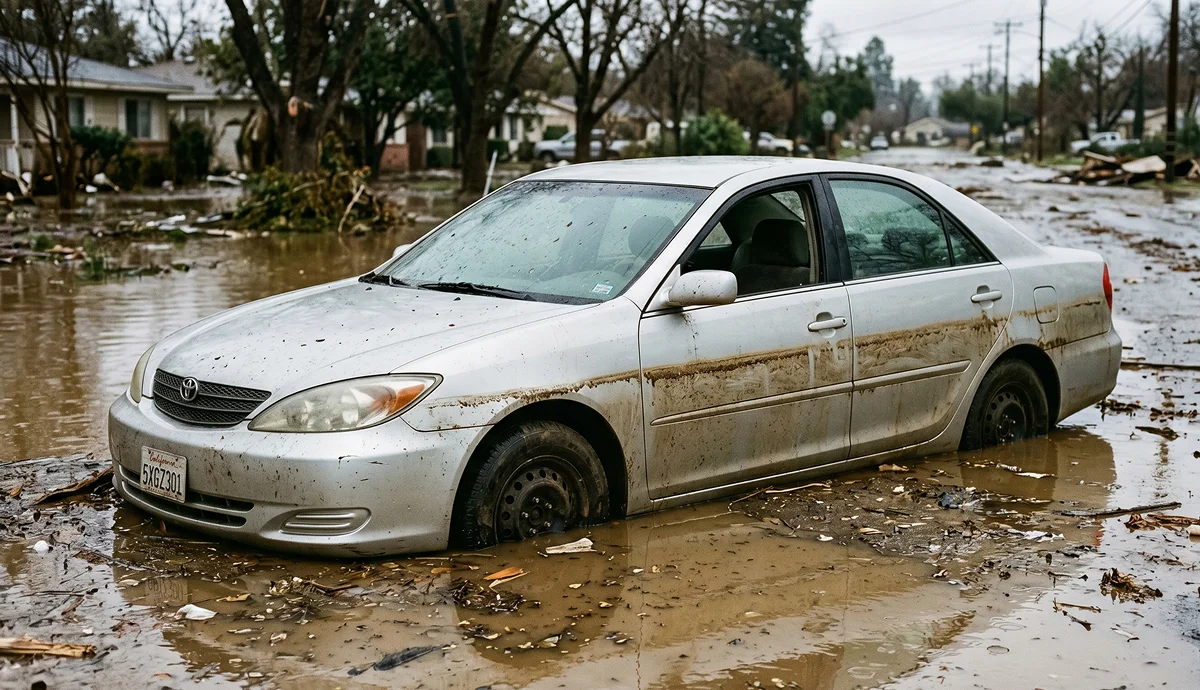
Buying a used car is exciting, but it comes with risks. One of the biggest dangers hiding in the used car market today is flood damage. After major storms or hurricanes, thousands of flooded vehicles are cleaned up, shipped to different cities, and sold to unsuspecting buyers.
A car that looks perfectly fine on the outside might be rotting on the inside. Water destroys electronics, causes deep rust, and leaves behind mold that can ruin your health.
Scammers are great at making these cars look shiny and new. But if you know where to look, you can catch them. Here are the easiest ways to spot a flood-damaged car before you hand over your hard-earned cash.
1. Trust Your Nose (The Sniff Test)
The first thing you should do when looking at a used car is close all the doors and windows, sit inside, and take a deep breath.
If the car has been underwater, water gets trapped deep inside the seat foam and carpet padding. This causes mold and mildew, which have a very strong, heavy, damp smell. It is almost impossible to get rid of completely.
Red flag: If a five-year-old car smells like a perfume factory or has five air fresheners hanging from the mirror, be careful. The seller might be trying to hide the smell of a swamp.
2. Pull the Seatbelts All the Way Out
This is an old mechanic's trick, and it works perfectly.
When a seller cleans up a flooded car, they usually clean the seats, replace the floor mats, and vacuum the interior. But they almost always forget the seatbelts.
Pull the seatbelts all the way out until they stop. Look closely at the fabric at the very end. If you see a faded water line, brown mud stains, or fuzzy mold, the car was sitting in deep water.
3. Look for Rust in Weird Places
A little rust under an old car is normal, especially if you live in an area that gets snow. But rust inside the cabin is a massive warning sign.
Water from floods sits in places that normal rain never reaches. Grab a flashlight and check these spots:
Look under the dashboard at the unpainted metal brackets.
Check the exposed metal springs under the front seats.
Look at the screws holding the center console together.
If these metal pieces are covered in rust, the car took a bath.
4. Check for Sand and Mud
Flood water is never clean. It is full of mud, silt, and sand. When the water drains out, it leaves that dirt behind in tiny, hard-to-reach cracks.
Pop the trunk and lift the carpet to look inside the spare tire well. You should also pop the hood and look at the engine. Check the small corners around the battery, the starter motor, and the small gaps in the plastic covers. If you see dried mud or fine sand packed into these tight corners, walk away.
5. Test Every Single Button
Modern cars are essentially computers on wheels. Water and electronics are a terrible mix. Even if the car starts up just fine, water damage usually shows up in the smaller electronic parts first.
Spend five minutes testing everything:
Roll all the windows up and down.
Turn the radio and air conditioning all the way up.
Check the blinkers, windshield wipers, and interior lights.
Move the power seats back and forth.
If the buttons stick, the radio has static, or the dashboard lights flicker, the wiring might be badly corroded from water.
6. Look for Foggy Lights
Headlights and taillights are sealed units. If a car is submerged, dirty water pushes its way past the seals and gets trapped inside the plastic housings.
If you see condensation, water droplets, or a cloudy water line inside the headlights or taillights, it means water was sitting high enough to cover the lights.
The Ultimate Protection: Check the Vehicle's History
Scammers are getting better at hiding flood damage. They use a trick called "title washing." They take a flooded car from one state or country, move it somewhere else, and manipulate the paperwork so the "flood damage" warning disappears from the local title.
You cannot rely on your eyes alone. The absolute best way to protect yourself is to run a full car history check before you buy.
This is exactly why we built VINLID.com. A reliable history report pulls data from multiple sources—including auctions, insurance companies, and police records—across regions like the US, Europe, and Korea. Even if the seller cleaned the car perfectly and managed to wash the local paperwork, running the VIN through VINLID will instantly show you if the car was ever written off for water damage or sold at a salvage auction.
Don't let a shiny paint job fool you. Trust your senses, do your physical checks, and always look up the car's past at VINLID.com. It could save you thousands of dollars and a lot of headaches.