
Hyundai & Kia VIN Check: Korea-Built or US-Built?
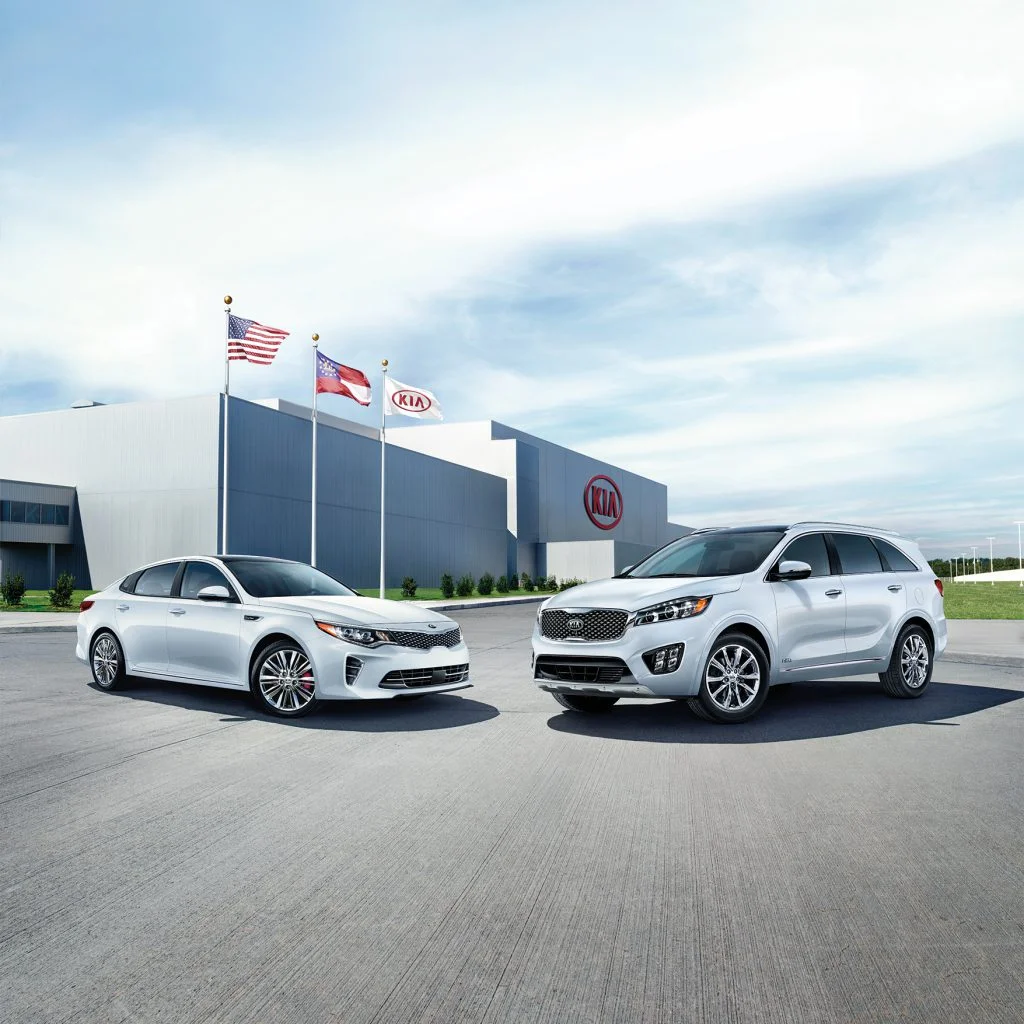
Decode any Hyundai or Kia VIN in seconds: the first character shows if it was built in Korea or the US, the 11th names the plant. Here's what to check next.
Your Kia may have been made in Georgia. Not Korea.
Most used car buyers never think to ask where a car was actually built. Not where the brand is from. Not where the engine was designed. Where the car was physically assembled, painted, and driven off the production line.
It's easy to assume every Hyundai and Kia comes from Ulsan or Gwangju. For millions of cars on the market today, that assumption is wrong. And if you're buying a used Hyundai or Kia imported from the USA, getting it wrong can be an expensive mistake, because the factory decides which country's records hold the car's history.
The good news: the VIN tells you. Before you pay for any Hyundai or Kia VIN check, you can read the answer yourself in about ten seconds.
Quick Answer: How to Tell if a Hyundai or Kia Was Built in Korea or the US
Look at the first character of the VIN:
K = built in South Korea (Hyundai VINs start with KM, Kia VINs with KN)
1, 4, or 5 = built in the United States
3 = built in Mexico
Then look at the 11th character to find the exact factory. For Hyundai and Kia, the ones you'll see most on US imports are H (Montgomery, Alabama), G (West Point, Georgia), U (Ulsan, Korea), and A (Asan, Korea).
A simple rule: if a Hyundai or Kia VIN starts with a number instead of the letter K, the car was not built in Korea.
Hyundai and Kia VIN Decoder: The Codes That Matter
Every car has a 17-character Vehicle Identification Number. Think of it as the car's passport, and of this section as a Korean VIN decoder for any Hyundai, Kia, or Genesis. The first three characters, called the World Manufacturer Identifier (WMI), tell you the country, the brand, and the type of vehicle.
Hyundai and Genesis VIN prefixes
KMH = Hyundai built in South Korea (cars and SUVs)
KM8 = Hyundai SUV built in South Korea
KMT / KMU = Genesis built in South Korea (sedans / SUVs)
5NP = Hyundai car built in Montgomery, Alabama (for example, the Sonata)
5NM = Hyundai or Genesis SUV built in Montgomery, Alabama (Santa Fe, Tucson, GV70)
5NT = Hyundai truck built in Montgomery, Alabama (Santa Cruz)
3KP = built by Kia's plant in Mexico (including some Hyundai Accents)
Kia VIN prefixes
KNA = Kia car built in South Korea
KND = Kia SUV or minivan built in South Korea
5XY = Kia SUV built in West Point, Georgia (Telluride, Sorento, Sportage)
5XX = Kia car built in West Point, Georgia (Optima / K5)
3KP = Kia built in Mexico (Forte, K4, Rio)
The 11th character: the exact factory
H = Montgomery, Alabama (Hyundai Motor Manufacturing Alabama)
G = West Point, Georgia (Kia Georgia)
U = Ulsan, South Korea (Hyundai)
A = Asan, South Korea (Hyundai)
Put the two together and you get a clear answer. A VIN starting 5XY with G in 11th place is a Kia SUV built in West Point, Georgia. A VIN starting KM8 with U in 11th place is a Hyundai SUV built in Ulsan, Korea.
One trap to watch for: A in the 11th position means Asan, Korea. It does not mean Alabama. The Alabama code is H.
Hyundai and Kia Have Been Building Cars in America Since 2005
Hyundai opened its Montgomery, Alabama plant in 2005. Kia followed in 2009 with its factory in West Point, Georgia, just across the state line. Between them, the two plants can build more than 700,000 vehicles a year. In February 2026, Kia Georgia built its 5,000,000th vehicle.
In October 2024 a third factory joined them: the Hyundai Motor Group Metaplant America in Ellabell, Georgia, near Savannah. It builds the Hyundai Ioniq 5 and Ioniq 9 electric SUVs, with the Kia Sportage Hybrid planned from 2026.
So a large share of the Hyundais and Kias exported from the United States were never made in Korea at all. They were built in Alabama or Georgia, registered in the American vehicle history system, and exposed to the American insurance and salvage market from day one.
Here's what comes out of the US plants, and when:
Hyundai Motor Manufacturing Alabama (Montgomery, AL), 11th character H:
Hyundai Sonata: 2005 to February 2022. Newer Sonatas are not Alabama-built.
Hyundai Santa Fe: built here in its early years and again since 2016, now including the Santa Fe Hybrid
Hyundai Tucson: since February 2021 (2022 model year onward)
Hyundai Santa Cruz: since June 2021. Only ever built in Alabama.
Genesis GV70: since 2023. The Electrified GV70 was built here from February 2023 to May 2025.
Kia Georgia (West Point, GA), 11th character G:
Kia Telluride: every one ever made, including the second generation launched in 2026
Kia Sorento
Kia Sportage: US production started in 2022 for the 2023 model year
Kia K5 (Optima): built here for years, but no longer on Kia Georgia's current lineup
Kia EV9: since 2024
Kia EV6: Kia moved most North American EV6 production here starting with the 2025 model year
One more curiosity: for several years before 2016, the Hyundai Santa Fe was built inside the Kia plant in Georgia. Those cars carry a Kia-style 5XY prefix on a Hyundai. If you see it, the VIN isn't wrong.
Why It Matters Where the Car Was Built
This isn't car trivia. Where a car was built and first sold decides which record system holds its history, and that has real consequences when you're buying used.
A Hyundai Tucson built in Montgomery and sold in the US goes into the American registration, insurance, and salvage system on day one. Every accident, insurance claim, title change, and odometer reading is logged in US databases.
That's the system that records flood damage after Gulf Coast hurricanes. The one that tracks salvage titles when an insurer writes a car off, and catches odometer rollbacks and rebuilt vehicles. (If flood risk is on your mind, here's how to spot a flood-damaged car before you buy it.)
Now take a Kia Telluride from West Point, Georgia. It has a US VIN and a full US history. If it was totalled in a Texas hailstorm, written off, patched up, and given a rebuilt title before being exported, that whole story lives in American records. The Korean badge changes nothing.
Compare that with a Hyundai built in Ulsan and sold on the Korean domestic market. That car's history is tracked in Korean databases, with Korean inspection records, service records, and insurance claims. A US report won't show any of it.
Same model. Same badge on the hood. Very different story underneath.
Same Model, Same Year, Two Different Histories
When Hyundai moved Tucson production to Alabama for the 2022 model year, it kept building some US-market Tucsons in Korea. So two cars that look identical on paper can come from two different countries.
Picture two listings, both reading "2022 Hyundai Tucson, imported from USA":
Car A: VIN starts with 5NM, 11th character H. Built in Montgomery, Alabama. First owner in Tennessee. In 2023 it was caught in heavy flooding, the electronics and interior took serious water damage, and the insurer wrote it off. It was repaired, given a rebuilt title, and exported.
Car B: VIN starts with KM8, 11th character U. Built in Ulsan, South Korea, and shipped to the US new. One owner in California. No accidents. Serviced on schedule.
On a dealer's lot they get the same description. The photos look alike. The price might even be the same.
But Car A is a rebuilt flood vehicle, and Car B is clean. A VIN check pulling US title and salvage records will flag Car A's history immediately, but only if you run it. And the first thing that tells you where to look is the opening character of the VIN.
How to Run a Hyundai or Kia VIN Check, Step by Step
Step 1: Read the first character.
A number (1, 4, or 5) means the car was built in the United States. It has a US history and went through the American insurance system. KM or KN means it was built in South Korea.
Step 2: Read the 11th character.
This confirms the plant: H for Alabama, G for Georgia, U or A for Hyundai's Korean plants. If the seller's story names a different factory than the VIN does, that's your first question.
Step 3: Run the history report that matches where the car lived.
US-built, sold in the US: run a US check covering title history, salvage and rebuilt brands, odometer readings, and auction records. Here's how to check a US car history by VIN.
Korean-built, sold in Korea: run a Korean check covering inspection records, insurance claims, and real mileage. Here's how to check a Korean car history by VIN, and how to read a Korean inspection report.
Korean-built but sold in the US (like Car B above): it was registered in America, so the US check is the one that matters. If there's any sign the car also spent time in Korea, check both markets.
VINLID covers both US and Korean records, and the report shows where the car was built alongside its accident, title, and mileage history.
Step 4: Compare the report with the seller's story.
If a seller pitches a Kia Telluride as "a solid Korean car" and the VIN starts with 5, you already know the car was never built in Korea. That isn't a dealbreaker on its own. But when a seller gets one basic fact wrong, it's worth asking what else they've got wrong. A report that contradicts the listing is also leverage: here's how to use a VIN report to lower the price.
Models Most Often Mistaken for Korean-Built
These are the models imported from the US that buyers most often assume were made in Korea:
Kia Telluride: only ever built in West Point, Georgia. There is no Korean-built Telluride. It isn't even sold in Korea, where the Hyundai Palisade fills that role. Georgia-built Tellurides have been exported to the Middle East since 2019, so this matters well beyond the US.
Hyundai Santa Cruz: only ever built in Montgomery, Alabama.
Hyundai Sonata: built in Alabama from 2005 until early 2022. There are a lot of US-built Sonatas on the road, but a recent one isn't one of them. Check the VIN rather than guessing from the model year.
Hyundai Santa Fe and Tucson: most US-market units from the relevant years are Alabama-built, but not all, as the Tucson example shows.
Kia Sorento: Georgia-built and popular with US rental fleets, so many reach the used market with high mileage. It's worth checking whether it was a rental car.
Kia Sportage: US production began in 2022. Earlier Sportages are Korean-built. Newer ones may be either.
The Telluride deserves repeating. It's one of the most wanted used SUVs on the market, and every single one came out of Georgia. If someone sells you a Telluride as a "Korean car," they're simply wrong. It's an American-built vehicle with an American history, and it needs to be checked that way.
Which Hyundai and Kia Models Are Made in South Korea?
For balance, these US-market models come from Korean plants and carry a VIN starting with KM or KN:
Hyundai Palisade, Kona, and Ioniq 6
Genesis G70, G80, and G90 sedans
Kia Carnival, Soul, and Seltos
Hyundai Tucson before the 2022 model year, and Kia Sportage before the 2023 model year
Lineups shift between plants every few years, so treat this as a guide and let the VIN have the final word.
American-Built Doesn't Mean Lower Quality
A car built in Alabama or Georgia isn't worse than one built in Ulsan or Gwangju. Hyundai and Kia run their US plants to the same standards as their Korean ones: same processes, same parts, same safety requirements.
The difference is history, not quality.
A US-built car spent its early life in the American market: hurricane seasons, hailstorms, high-mileage rental use, and an insurance industry that totals and rebuilds far more cars than most people realise. All of that is recorded and all of it is findable, but only if you look in the right place.
A Korean-market car has a different profile, with Korean inspection records and far less exposure to those specific American risks. If you're weighing the two, see our comparison of Korean vs American used cars.
Neither is automatically the better buy. They need different checks, and the VIN tells you which one.
Frequently Asked Questions
How can I tell if my Kia was built in the US or Korea?
Check the first character of the VIN. KN means the Kia was built in South Korea. 5 means it was built in the United States, and a G in the 11th position confirms Kia's West Point, Georgia plant. 3 means Mexico.
How can I tell if my Hyundai was built in the US or Korea?
A Hyundai VIN starting with KM (for example KMH or KM8) was built in South Korea. One starting with 5N (5NP, 5NM, or 5NT) was built in Montgomery, Alabama, and its 11th character will be H.
What does the letter G mean in a Kia VIN?
In the 11th position, G means the car was assembled at Kia's plant in West Point, Georgia, USA. That includes every Kia Telluride and most US-market Sorentos.
Does "A" in the 11th position mean Alabama?
No. On a Hyundai, A in the 11th position means the Asan plant in South Korea. Hyundai's Alabama plant is H.
Is the Kia Telluride made in Korea?
No. Every Kia Telluride, first and second generation, has been built in West Point, Georgia. It isn't sold in South Korea at all.
Can I decode a Hyundai or Kia VIN for free?
Yes. The codes in this guide let you decode the country, brand, and plant yourself, at no cost. What decoding can't tell you is the car's history: accidents, insurance claims, title brands, and real mileage. For that you need a history report from the records of the country where the car lived.
Which history report do I need for a Hyundai or Kia imported from the US?
If the car was sold and registered in the US, which covers almost every import from the US whether it was built in Alabama, Georgia, or Korea, you need a US history check. If the car was sold on the Korean domestic market, you need a Korean check. VINLID covers both.
The Short Version
The badge on the front tells you the brand. The first character of the VIN tells you where the car was actually born.
K means Korea. A number means it wasn't. The 11th character tells you the exact factory: H for Alabama, G for Georgia, U or A for Korea.
Before you buy any used Hyundai or Kia from the United States, read those two characters. Then run the check that fits where the car actually came from.
It takes less time than a test drive, and it tells you things a test drive never could.
Check the full history of any Hyundai or Kia imported from the USA or Korea, including where it was built, accident records, and title status, on vinlid.com.