
Odometer Fraud: How to Detect Mileage Rollback
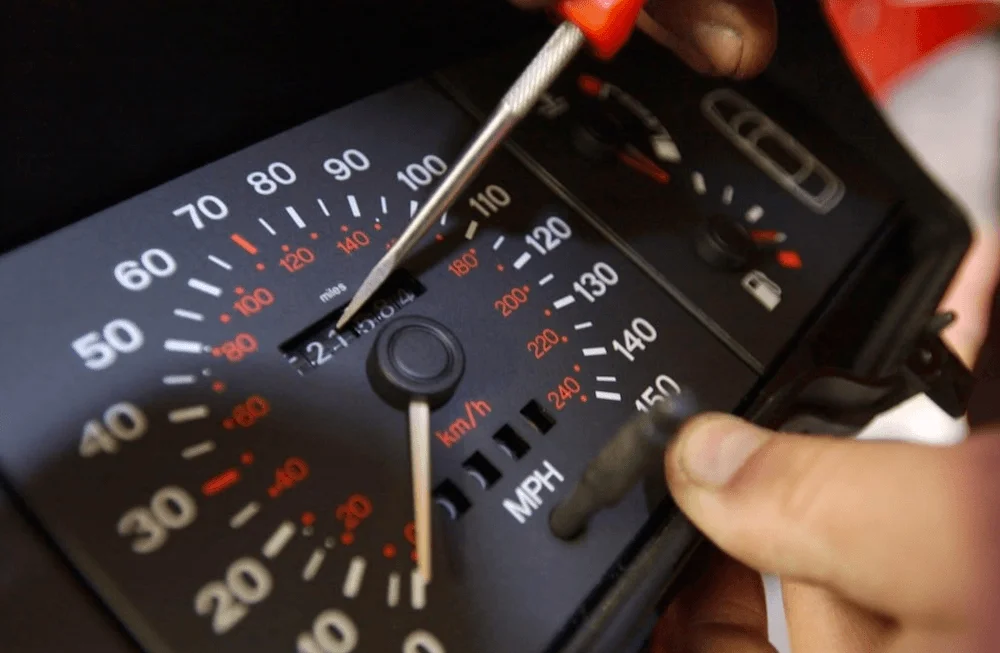
Odometer tampering is one of the most common used car scams worldwide. Learn the warning signs of mileage rollback and how to protect yourself before buying.
What Is Odometer Fraud?
Odometer fraud is the illegal practice of rolling back or altering a vehicle's mileage display to make it appear less used than it actually is. This increases the car's perceived value and hides wear, tear, and potential mechanical issues.
According to the National Highway Traffic Safety Administration, odometer fraud costs American consumers over $1 billion annually. In the Korean export market, the problem is equally widespread.
Why Sellers Roll Back Mileage
The math is simple. A car with 50,000 km is worth significantly more than the same car with 150,000 km. By rolling back the odometer, dishonest sellers can charge thousands of dollars more for a vehicle that may need expensive repairs soon.
Digital odometers are actually easier to tamper with than old mechanical ones. Specialized tools can reprogram the mileage in minutes, and the alteration leaves no visible trace on the dashboard itself.
Warning Signs of Mileage Rollback
Excessive wear on the steering wheel, pedals, and seats that doesn't match low mileage
New floor mats or seat covers that might hide wear
Inconsistent service stickers — oil change at 80,000 km but the odometer shows 40,000 km
Faded or scratched dashboard around the instrument cluster
Mismatched tire wear patterns
Loose or misaligned dashboard panels suggesting removal
How to Verify Real Mileage
The most reliable method is checking official inspection records. Korean vehicles undergo periodic technical inspections where the odometer reading is recorded by an authorized inspector.
By comparing mileage readings across multiple inspections, you can see a clear timeline. Any sudden decrease or suspicious gap reveals tampering.
A vehicle's mileage should always increase steadily over time. If it drops between two inspections, the odometer has been tampered with.
What to Do If You Suspect Fraud
If you discover mileage discrepancies before purchasing, walk away from the deal. If you've already bought the car, document the evidence and consult with a legal professional in your country.
Always get a vehicle history report before finalizing any used car purchase. It's the cheapest insurance against the most expensive mistakes.